Ashland VA real estate broker, third generation in the family business, and the agent other agents call about contracts
›About Michael
At a Glance
Michael Hottman in Brief
Michael Hottman is a real estate broker in Ashland, Virginia, and the third generation of his family in the business. Central Virginia agents know him for his contract expertise: at Keller Williams he taught the office’s contract classes and was the broker other agents called when a deal went sideways. He grew up in Fairfax County while it filled in, and he uses what he watched happen there to help sellers and buyers see where the Richmond area is heading. He works with a small number of clients at a time so each one gets real attention.
RoleVirginia real estate broker with Malcolm Real Estate, the family brokerage his grandfather founded.
LicensedFirst at age 19. Licensed again in 2012, and with Malcolm Real Estate full time since December 2025.
Known forContract expertise. As an associate broker at Keller Williams he helped teach contract classes and was the go-to broker support for an office of more than 200 agents.
DesignationsGRI (Graduate, REALTOR Institute) and MCNE (Master Certified Negotiation Expert), the Real Estate Negotiation Institute’s top negotiation credential.
EducationBachelor of Architecture, Virginia TechMaster's in Rehabilitation Counseling, VCULicensed Professional Counselor
LivesJust west of the town of Ashland, in the Ashland zip code, since 2006. Grew up in Annandale, Virginia, in Fairfax County.
TeachingA constant student and a delightful teacher. His contract classes were always a favorite at Keller Williams, and individual agents and whole teams hired him to train their own people. He has written study primers that help people pass their licensing exams on the first try, and he shares what he learns with clients and agents on social media. He is building a negotiation class of his own, on the same foundation as his MCNE training.
RepresentsOne side of any one sale. Dual agency is legal in Virginia; he has never practiced it and does not intend to.
ServesSellers and buyers in Hanover, Henrico, the City of Richmond, Chesterfield, Powhatan, Goochland and Caroline.
Where It Started
Raised on Real Estate
I grew up in Annandale, Virginia, in Fairfax County, helping my father maintain our family's rental properties. Some families talk about the weather or football at dinner. Mine talked about real estate. My grandfather founded Malcolm Real Estate, the brokerage I work under today, and it has stayed in the family ever since. It is a small, family-only boutique firm. We help sellers and buyers with residential homes, and we have built, sold and still manage our own rental portfolio.
I earned my real estate license at 19. The class felt easy, and I realized why when people my age started joining my study groups and asking how I already knew this stuff. I had been absorbing it at the kitchen table for years. That was my first taste of teaching real estate, and I still enjoy taking something complicated and making it simple enough that anyone can follow it.
Why It Matters to You
What Fairfax Taught Me About Richmond’s Future
Fairfax County filled in around me through the 1970s and 80s. Tysons Corner had started developing in the mid-to-late 1960s and kept growing all through my childhood. By the end of it, any buildable piece of land was getting built on, including the parcels that had been passed over for years as too awkward or too expensive to bother with.
Two of those changes happened close to home. Pinecrest Golf Course, a few minutes from our house, sold part of its land in the early 1980s to make way for additional housing and shrank to the nine holes it still has. Cameron Station, the U.S. Army quartermaster depot where my father worked, closed in 1995 and became housing; an aging depot was no longer the best use of that ground.
By the time I finished college, land across Northern Virginia was so valuable that the small starter homes built in the housing boom after World War II had become functionally obsolete. These were three-bedroom houses with one or one-and-a-half baths. Buyers and developers were paying for the land, tearing the houses down and building homes three to four times the size on the same lots. Some people call them McMansions. It started in Arlington and Alexandria and has been working its way out into Fairfax in more recent years. Places like Centreville, which felt really far out all through my college years, are now just part of the ever-expanding suburbs of Washington, DC.
Urban growth follows patterns, and the Richmond area is walking a similar path to the one Fairfax walked about four decades ago. Here is how I see it lining up:
Pattern
Fairfax County, then
Richmond area, now
Farmland becomes a retail hub
Tysons Corner, which began developing in the mid-to-late 1960s, grows into a regional business and shopping center.
When I came to the Richmond area in 2006, much of Short Pump was still farmland and the main mall was only a few years old. Today it is a busy shopping destination with high-end stores.
Infill on open parcels
A golf course is cut down to nine holes to make room for homes, and a World War II-era Army depot becomes single-family homes, townhomes and condos.
Infill projects are appearing across Henrico County and the City of Richmond. Less desirable buildable lots are getting new homes, and higher-density housing is increasing.
“Too far” becomes close
Places like Centreville, once really far out, become part of the Washington, DC suburbs. A 30, 45 or 60-minute drive to work is unremarkable there, especially in traffic.
Eastern Henrico, once too far for many buyers, is now a popular and more affordable place for new construction. Development is also moving further out along corridors in Goochland and Powhatan, and along Routes 360 and 301 in Hanover.
Teardowns of obsolete homes
Postwar homes with three bedrooms and one or one-and-a-half baths sit on land so valuable that buyers replace them with homes three to four times the size.
Not common here yet. I expect it in the next 10 to 15 years: there are plenty of functionally obsolete homes, but the land is not valuable enough yet. We are still expanding outward.
Scroll the table sideways to see both columns.
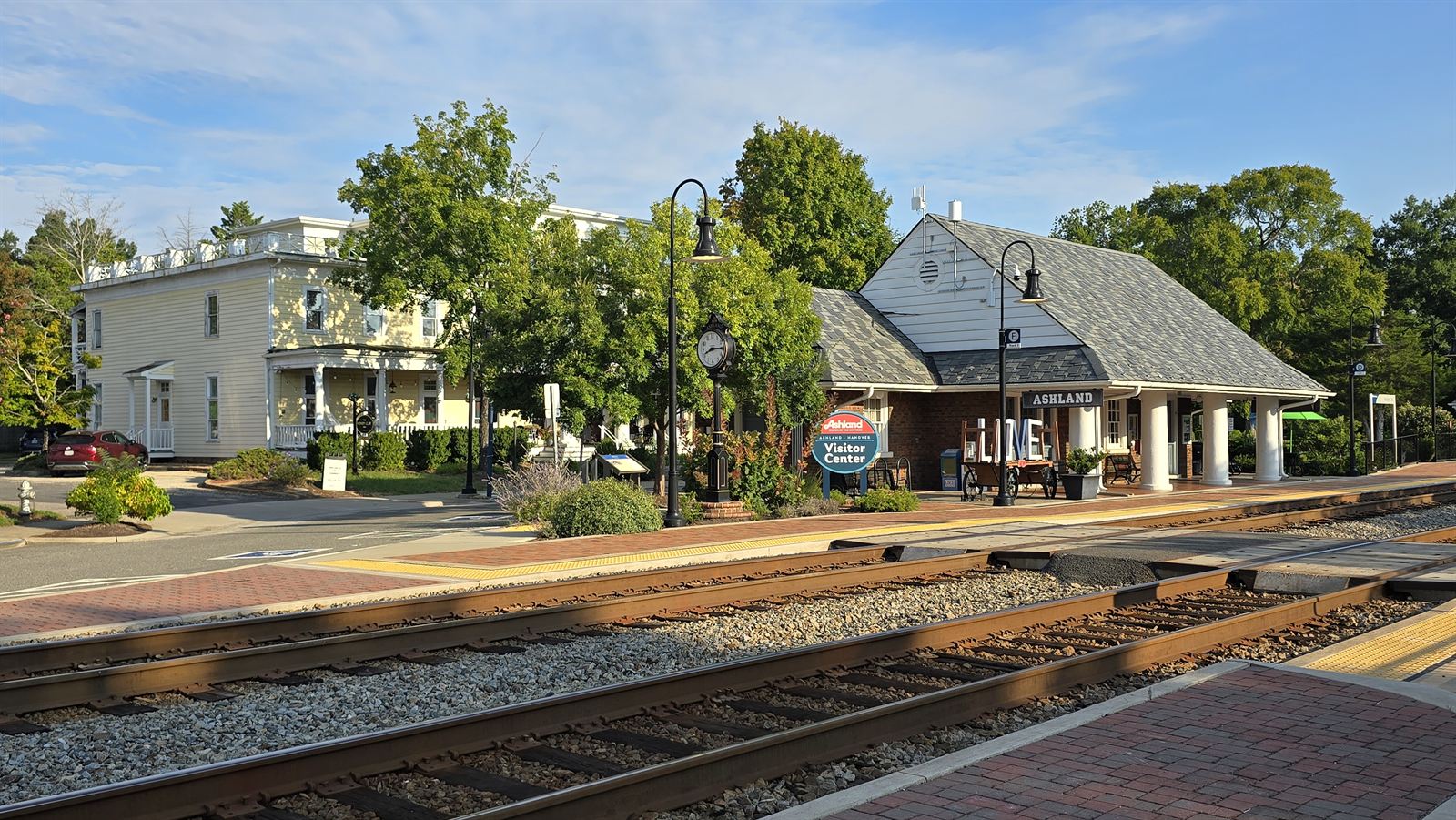
The Ashland train station, home to the town's visitor center. I've lived just west of downtown Ashland since 2006.
I'm not the only one who sees it. Years ago, while I was working in local government mental health, I had lunch with Hanover County's county administrator and mentioned that Hanover felt a lot like Northern Virginia had when I was growing up there. He laughed and told me the county had been consulting with Loudoun County, just west of Fairfax, on how to manage growth, and was learning from the lessons Loudoun learned the hard way.
Knowing where growth is heading helps you avoid a home that will be hard to sell later, and spot the areas likely to gain value first.
The Long Way Around
A Detour That Became an Advantage
Real estate wasn't a straight line for me. I avoided the family business for years, partly because I remembered all the nights and weekends it took when I was a kid.
Architecture
Earned a Bachelor of Architecture from Virginia Tech, which still shapes how I look at a house: layout, flow, construction and how a floor plan will age.
About 10 years in marketing, IT and design
Held one job that combined marketing, IT and graphic design, with a lot of travel. It taught me how to connect with people and figure out what they actually want, which is not always what they first ask for. I ran a lot of projects in those years, and most came in on time, under budget or both, which is where I learned to manage resources.
2007: counseling
Went back to school at VCU for a Master’s in Rehabilitation Counseling, then spent about a decade working in mental health, including local government, and became a Licensed Professional Counselor along the way, a license I still hold.
2012: back to real estate
At a transition point in my counseling career, I earned my real estate salesperson license again and started working with the family brokerage, helping manage properties and put deals together. Getting relicensed was harder the second time, because I knew too much and kept overthinking the test questions. That led me to write short study primers that help others pass the real estate exam on the first try, through test-taking technique rather than more material to memorize.
2013: all in on real estate
Dove into real estate head first by joining RE/MAX, while also opening a private counseling office. Within about a year it was clear which one I enjoyed more, and it was real estate.
2015 to 2025: Keller Williams
Joined Keller Williams in 2015. In 2016 I was tapped to help the office's agents and became an associate broker, teaching its contract classes. More on those years below.
December 2025: Malcolm Real Estate
Gave up my broker’s license at Keller Williams and now work solely at the family brokerage, helping sellers and buyers while managing part of our rental portfolio.
Architecture, marketing, design, IT and counseling turned out to be a perfect mix for real estate. It helps me connect with all kinds of clients, from people who are nervous about every step to people who walk in with total confidence. It gives me confidence with the technology and the tools, with marketing a property, and with reading how a home is put together, from the way it flows to how well it uses its space.
The counseling years matter more than people expect. Selling or buying a home is one of the most emotional things most people ever do, and one of the biggest reasons to hire an agent is emotional distance. I can stay calm and steady when a negotiation gets heated, and I can help a client think clearly when they are too close to the decision.
The Differentiator
The Broker Agents Call When a Deal Goes Sideways
Twenty years passed between my first license and the one I earned in 2012, and I wanted to know exactly how real estate had changed. It had changed a great deal. Buyer agency did not exist when I was first licensed, and the law had moved on considerably. Virginia required 16 hours of continuing education for my first license renewal. I completed more than 100, because I basically lived in the classroom for my first year and a half.
For the two years I was at RE/MAX, I dove into learning the local contracts from excellent brokers. Too often, though, the answer to "why do we do it this way?" was "that's just how we do it." That wasn't enough for me. I went back to the original sources: the Code of Virginia, the regulations published by the Virginia Real Estate Board, guidance from Virginia REALTORS and the National Association of REALTORS, and dozens of classes.
I joined Keller Williams in 2015, and my contract knowledge got noticed quickly, mostly through casual conversations with other agents around the office. I became the go-to resource, and in 2016 they asked me to become an associate broker, counsel agents and run regular contract classes. I became the office's informal broker support for more than 200 agents. That meant:
TeachingClasses on the Virginia residential purchase agreement, how to modify it correctly, and the addenda used for special situations.
ReviewingChecking the changes agents made to standard forms so their clients were actually covered.
RescuingBeing the call when a deal went sideways, for brand-new agents and top producers alike, and smoothing things over when clients got upset.
MediatingSettling disputes between agents over how a contract should be handled. Sometimes that meant telling a very experienced agent that the newer agent was right, because that is what the contract says.
Keeping currentStaying on top of every change to Virginia real estate law, and attending the conferences and classes reserved for brokers, so the agents in the office were better advised.
I know many of the ways a contract can go wrong. I use that to protect sellers from inexperienced agents on the other side of the deal, and to protect buyers from their own blind spots.
When I am putting a contract together, or advising an agent on one, I am always asking the same question: if a dispute over this transaction ended up in front of a judge, what does the documentation say? A judge can only rule on what is written, not on what anyone remembers or what someone felt was intended. It comes down to what is in black and white on the page. I often see agents get emotionally attached to their deals, and it clouds their judgment. I stay focused on what the law says and what the documents say, and that keeps both my clients and the agents I advise out of trouble.
Hard-Won Lessons
What Losing Rental Homes Taught Me
During my years away from the business, I invested on my own in Orlando, Florida, buying and selling about a dozen homes over the time I lived there. I got overextended, carrying about $1.5 million in loans, and I still held about six of them when I left. The 2008 crash shook the whole country, and it hit Orlando harder than most: values there fell by nearly half, seemingly overnight. I lost the entire rental portfolio to foreclosure within two or three years of my leaving Florida.
It was a painful and frightening way to learn, and it shapes how I advise clients today. It is easy to buy real estate and much harder to sell it. Your money is really made on the purchase, so you have to buy right. It also means I don't judge anyone who has made a financial mistake or is facing a hard situation with a property. I have been there, and I know how to help people through it.
How I Work
Precision Over Volume
My goal is not to sell 100 or 500 homes a year. I would rather work with fewer people and give each of them focused attention, because that is the only way to catch the things that cost real money. I want the people I work with to feel cared for, and I am invested in how it turns out for them, whether they are selling or buying.
Clients who were well protected are the ones who send their friends and family to me later. Really satisfied clients are the foundation of this business.
“I learned more in the first two or three showings with you than I learned in six months with my other agents.”A buyer who had worked with other agents before, after one tour of six homes
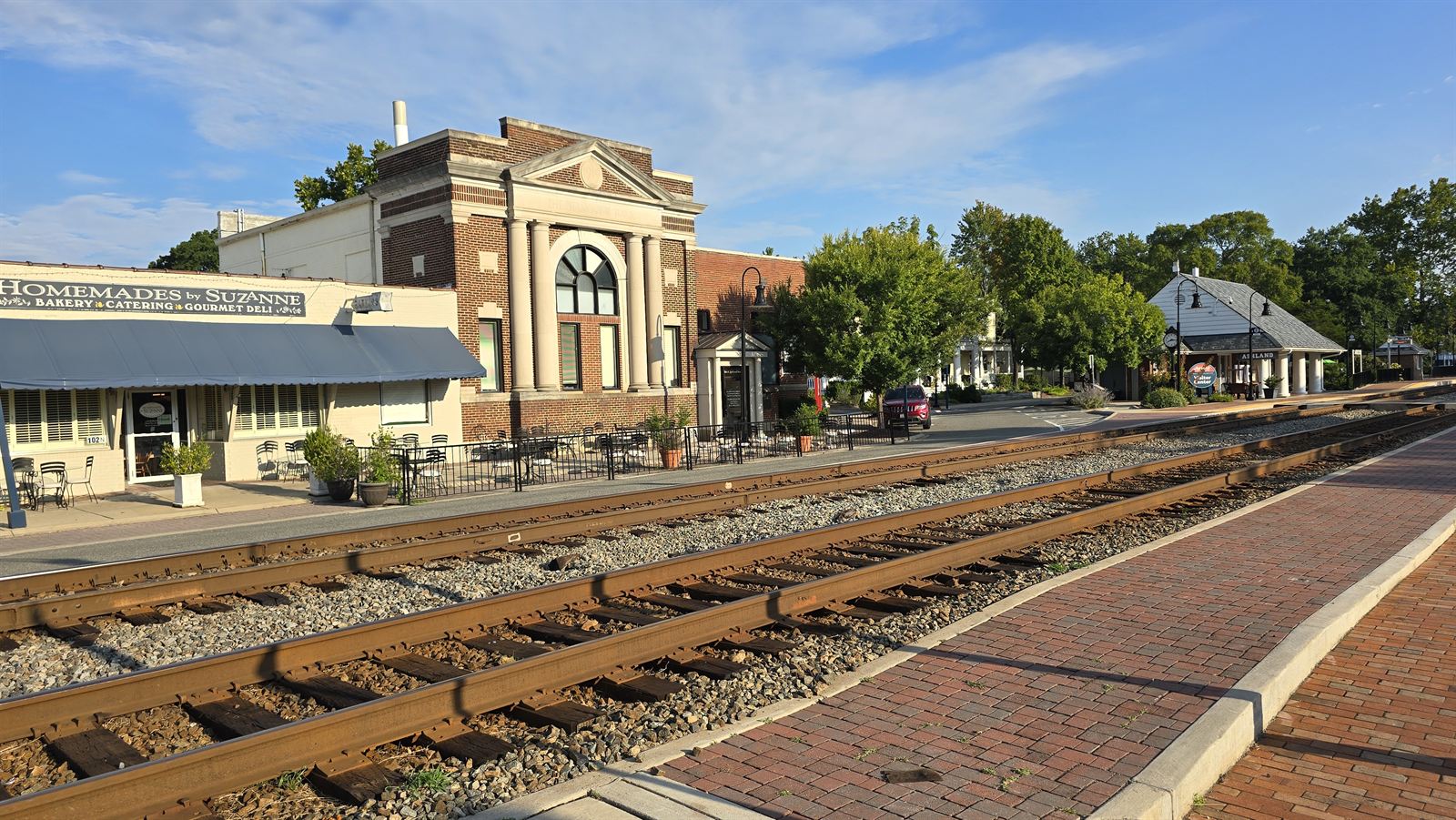
Trains still run right down the middle of downtown Ashland, past local shops and restaurants.
Here is what you can expect when you work with me
1
Know how to get out before you get in
Before you buy, we talk about how you will eventually sell. I walk a house with you and read out the problems I can already hear a future buyer raising. A home that is hard to exit is a risk, however much you love it today.
2
I’ll tell you the good, bad, and ugly
I get paid when you buy, which is all some agents really care about. What I want is a satisfied client, so I will tell you when a property is a bad idea, and I will tell you what is wrong with one you love. Sometimes that means a money pit. More often it means functional issues you can live with now that will cost you money when you sell. I will not sell you, and I will not talk you into buying or selling before you are ready. Every purchase and every sale should be made fully informed, with the positives and the negatives both on the table.
3
Sellers get a steady hand and a negotiator
Whenever I help someone sell, one of the first things I do is work out who the ideal buyer is, then aim the marketing at that buyer. Once offers arrive, I help you weigh the strong and weak parts of each one rationally, before anything turns into a delay or a deal that falls apart. Then I defend your position with sound reasoning and with negotiation methods that are taught and broadly accepted rather than improvised: my MCNE training is the Real Estate Negotiation Institute’s, built on Harvard’s negotiation work and the Getting to Yes model, and it aims at a result both sides can live with.
4
Buyers get real protection
I want you to buy right, so that selling later is easier, or at least so that you already know which issues will be yours to handle. Too many buyers get handed off to an inexperienced agent, especially by teams; you should have a highly qualified agent, not just an agent. Many experienced agents lean toward listings because listings are easier to scale. I still enjoy working with buyers, especially first-timers, because they are the ones who need protection most.
5
Only one side of any one sale
I represent sellers and I represent buyers, and I am glad to help you sell one home and buy the next. What I will not do is represent both the seller and the buyer in the same transaction. Dual agency is legal in Virginia; I have never practiced it and I do not intend to. You get loyalty, confidentiality, expert advice and real representation for the whole transaction. A dual agent cannot advise either side; they carry the paperwork between the two.
6
Regular hours, and whatever it takes
Most of my business happens during regular business hours on regular weekdays, which keeps me sharp. Showings run during the week whenever we can, and occasionally on a weekend. My goal is to get you into houses. When we are in the middle of putting a contract together, late nights and early mornings are part of it.
7
Offers written to be accepted
Before I write, I call the listing agent and find out what that seller actually needs, which is often not the highest number. A lot of my buyers’ offers are accepted on the first pass, as written, and more often on the terms and the cleanliness of the offer than on the highest price.
“I feel like I have a PhD in real estate after spending all this time with you, and it wasn’t that hard to understand.”A buyer, after finally choosing their home
From the Contract Table
A Few Stories Worth Telling
A reverse reconsideration of value
$39,000 saved in a hot seller's market
In the 2021 to 2022 market, when most buyers were paying well over asking, I studied the tax records and the sale history on a home and knew it was priced above what the market supported. I told the buyers how I wanted to position their offer and what the risks were. They followed it to the letter, and we negotiated $30,000 off the list price with an offer still strong enough to be accepted.
Then the appraisal came back exactly at the contract price, which is typical. It was a fair value, but I thought the buyers could do better still. When an appraisal comes in low, a buyer's agent usually asks for a reconsideration of value with comparable sales that push the number up. I went the other way and submitted comparable sales that supported a lower one, and the price came down another $9,000. In a strong seller's market, the seller ended up bringing money to closing, which is not typical at all.
In the middle of the negotiation, the buyers asked me why I was working so hard to get paid less, since agents are paid a percentage of the sale price. I told them it is my job to get them the best price possible and to defend their position vigorously. They followed my lead the whole way, and it got them an excellent deal on that home.
A teardown, sold to the right buyer
$80,000 more than the offer at the door
A couple moving from Northern Virginia to the Richmond area built a new home down here and had to sell the one they were leaving. It sat in a very desirable, high-end part of Northern Virginia, and the house itself was functionally obsolete, the kind of place people describe as a teardown. Someone had already knocked on their door with an offer.
I told them I was confident I could do better, and I offered to take my commission as a percentage of the additional dollars I brought in rather than on the whole sale price. That made it an easy decision. There was no downside for them, only upside.
Then I made phone calls and found the buyers who actually wanted that lot, which meant builders. We got them about $80,000 more than the unsolicited offer from the man at their door. The builder who bought it asked whether he could market the house he planned to build before we closed, and with the sellers’ permission he did. He had a buyer under agreement for a brand-new home on that lot before he ever owned the land.
Everybody won. The sellers got considerably more money for a house they had been told was worth its lot. The builder got a piece of land he did not know was available. A family knew where they were going to live, in a house built new for them. And I was paid on a second transaction. All of it because I kept asking questions about a teardown they already had an offer on.
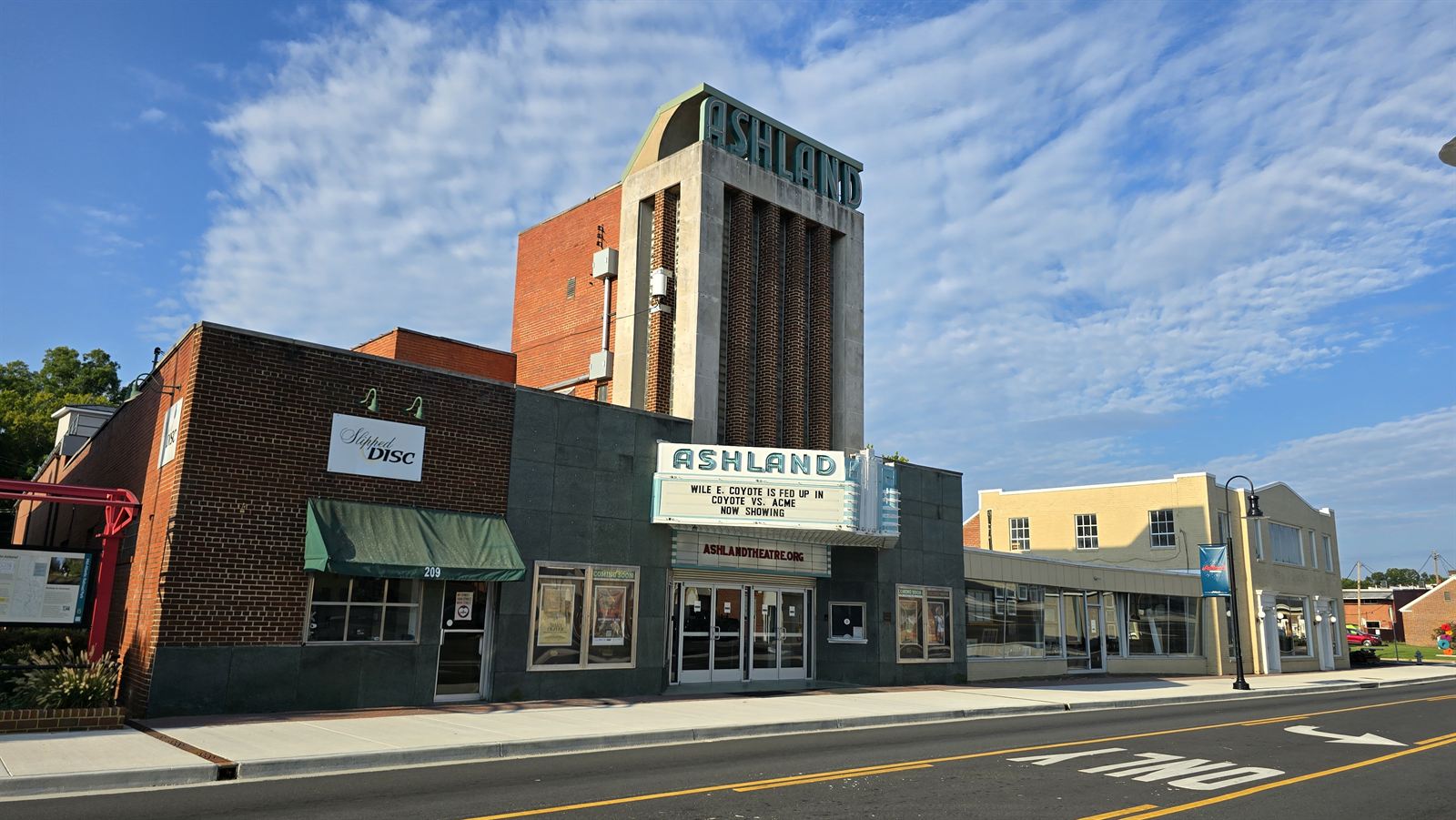
The Ashland Theatre, a downtown landmark on England Street.
Questions
About 804-Michael
Who is 804-Michael?
804-Michael is Michael Hottman, a licensed Virginia real estate broker with Malcolm Real Estate in Ashland, VA. He helps sellers and buyers across Hanover County, Henrico County, the City of Richmond, Chesterfield, Powhatan, Goochland and Caroline counties.
How long has Michael Hottman been in real estate?
Michael grew up in a real estate family and earned his license at 19. After careers in marketing, IT and graphic design and then counseling, he earned his real estate license again in 2012, joined RE/MAX in 2013, moved to Keller Williams in 2015, and became an associate broker there in 2016. He has been with Malcolm Real Estate full time since December 2025.
What is Malcolm Real Estate?
Malcolm Real Estate is a small, family-owned brokerage in Ashland, VA, founded by Michael's grandfather. Only family members work there. It represents residential sellers and buyers and manages the family's own rental properties.
Why does growing up in Fairfax County matter for Richmond-area real estate?
Michael grew up in Annandale in the 1970s and 80s while Fairfax County filled in: part of a golf course and a World War II-era Army depot were redeveloped into homes, Tysons Corner kept growing, and small postwar homes were torn down for houses three to four times their size. Growth tends to follow the same pattern from place to place, and the Richmond area is walking a similar path about four decades later. That history helps him judge which neighborhoods are likely to gain value and which homes may be hard to sell later.
Does Michael Hottman practice dual agency?
No. Michael represents sellers and he represents buyers, but never both sides of the same transaction. Dual agency is legal in Virginia; he has never practiced it and does not intend to. Each client gets loyalty, confidentiality and real representation.
What credentials does Michael Hottman hold?
Michael holds a Virginia real estate broker license and the GRI (Graduate, REALTOR Institute) and MCNE (Master Certified Negotiation Expert) designations. He also holds a Virginia Licensed Professional Counselor license, a Master's degree in Rehabilitation Counseling from VCU, and a Bachelor of Architecture from Virginia Tech.
Let's Talk
Thinking About Selling or Buying?
Whether you are pricing your home or wondering if a neighborhood will hold its value, I'm happy to talk it through, with no pressure and no sales pitch.